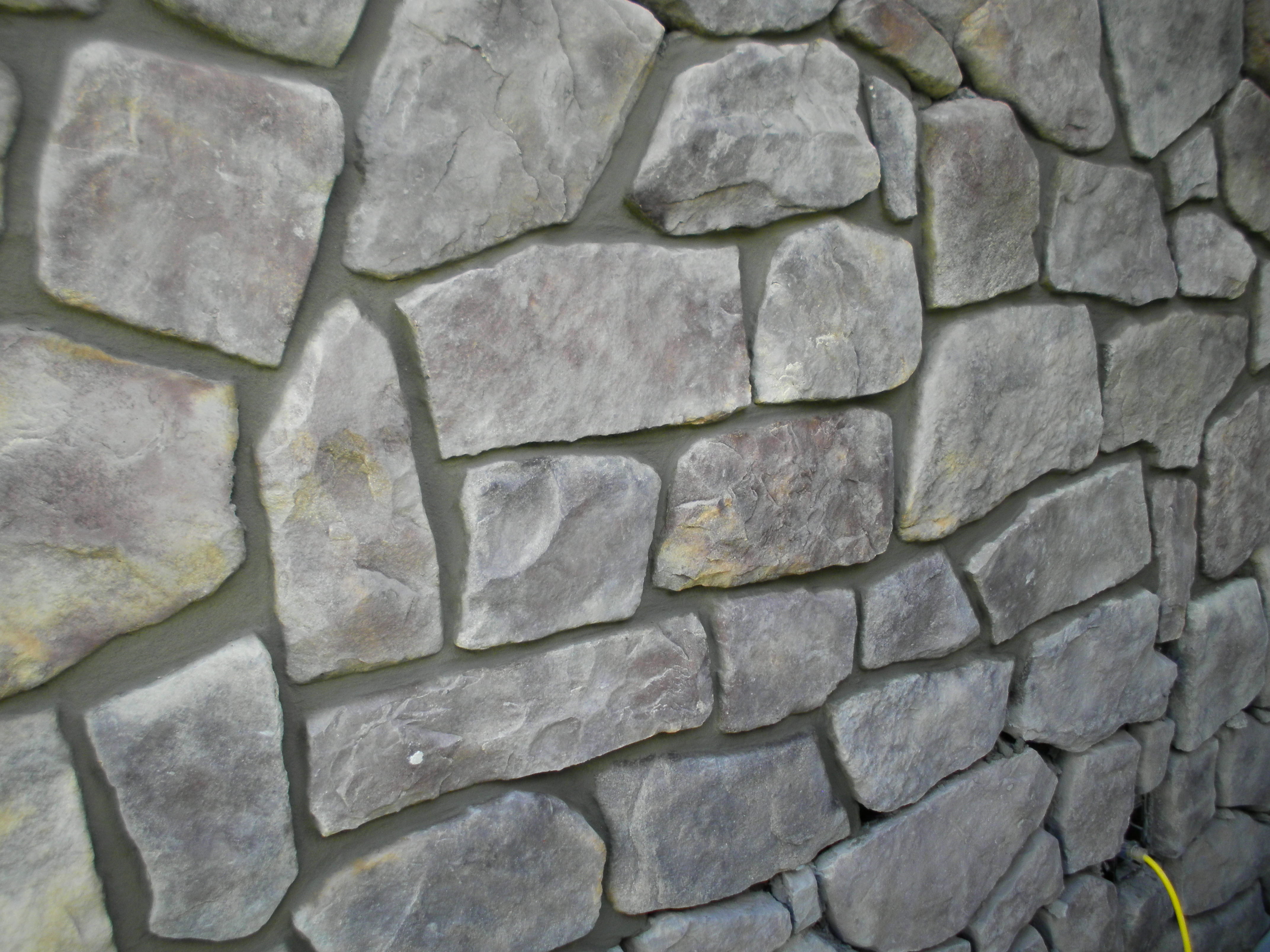
 In the realm of construction, the timeless elegance and durability of stone have endured through centuries, standing as a testament to the enduring beauty and strength that this natural material provides. As we embark on a venture into stone construction, we are not merely laying bricks and mortar; we are sculpting environments, shaping landscapes, and building legacies that withstand the test of time.
Our Approach:
At the heart of our venture lies a commitment to craftsmanship and precision. We recognize that stone construction is an art that demands not just technical expertise but an intuitive understanding of the unique qualities of each stone. Our skilled artisans and engineers collaborate seamlessly to bring forth structures that seamlessly blend functionality with aesthetics.
The Palette of Possibilities:
Stone, with its diverse range of textures, colors, and patterns, offers an expansive palette of possibilities. From the sleek sophistication of granite to the rustic charm of limestone, each stone variety tells a story of geological history and imparts a distinct character to the structures it adorns. Our venture embraces this diversity, offering clients a rich array of choices to realize their architectural visions.
Sustainability and Longevity:
In an era where sustainability is paramount, stone construction stands as a beacon of eco-friendliness. Stones are natural, abundant resources that require minimal processing, reducing the carbon footprint associated with construction. Furthermore, the inherent durability of stone ensures that the structures we build are not just for the present but for generations to come. Our commitment to sustainable practices extends beyond the construction phase, emphasizing the enduring value of stone structures.
Innovation and Technology:
While rooted in tradition, our venture also embraces innovation and technology to enhance the efficiency and precision of stone construction. Cutting-edge tools and techniques are employed to extract, shape, and install stones with meticulous accuracy, ensuring a seamless integration of modernity with the timeless appeal of stone.
Projects that Stand the Test of Time:
Our portfolio boasts a diverse range of projects, from majestic residential estates to commercial landmarks, each a testament to our dedication to quality and client satisfaction. Whether it's the creation of an awe-inspiring façade, a resilient retaining wall, or an intricately designed stone pathway, our venture is poised to elevate the art of stone construction to new heights.
Conclusion:
As we embark on this venture into stone construction, we invite you to join us in shaping the future with a material that echoes the past. Together, let us build structures that not only stand tall against the elements but also capture the essence of time, embodying the enduring beauty and strength that only stone can provide.
In the realm of construction, the timeless elegance and durability of stone have endured through centuries, standing as a testament to the enduring beauty and strength that this natural material provides. As we embark on a venture into stone construction, we are not merely laying bricks and mortar; we are sculpting environments, shaping landscapes, and building legacies that withstand the test of time.
Our Approach:
At the heart of our venture lies a commitment to craftsmanship and precision. We recognize that stone construction is an art that demands not just technical expertise but an intuitive understanding of the unique qualities of each stone. Our skilled artisans and engineers collaborate seamlessly to bring forth structures that seamlessly blend functionality with aesthetics.
The Palette of Possibilities:
Stone, with its diverse range of textures, colors, and patterns, offers an expansive palette of possibilities. From the sleek sophistication of granite to the rustic charm of limestone, each stone variety tells a story of geological history and imparts a distinct character to the structures it adorns. Our venture embraces this diversity, offering clients a rich array of choices to realize their architectural visions.
Sustainability and Longevity:
In an era where sustainability is paramount, stone construction stands as a beacon of eco-friendliness. Stones are natural, abundant resources that require minimal processing, reducing the carbon footprint associated with construction. Furthermore, the inherent durability of stone ensures that the structures we build are not just for the present but for generations to come. Our commitment to sustainable practices extends beyond the construction phase, emphasizing the enduring value of stone structures.
Innovation and Technology:
While rooted in tradition, our venture also embraces innovation and technology to enhance the efficiency and precision of stone construction. Cutting-edge tools and techniques are employed to extract, shape, and install stones with meticulous accuracy, ensuring a seamless integration of modernity with the timeless appeal of stone.
Projects that Stand the Test of Time:
Our portfolio boasts a diverse range of projects, from majestic residential estates to commercial landmarks, each a testament to our dedication to quality and client satisfaction. Whether it's the creation of an awe-inspiring façade, a resilient retaining wall, or an intricately designed stone pathway, our venture is poised to elevate the art of stone construction to new heights.
Conclusion:
As we embark on this venture into stone construction, we invite you to join us in shaping the future with a material that echoes the past. Together, let us build structures that not only stand tall against the elements but also capture the essence of time, embodying the enduring beauty and strength that only stone can provide.
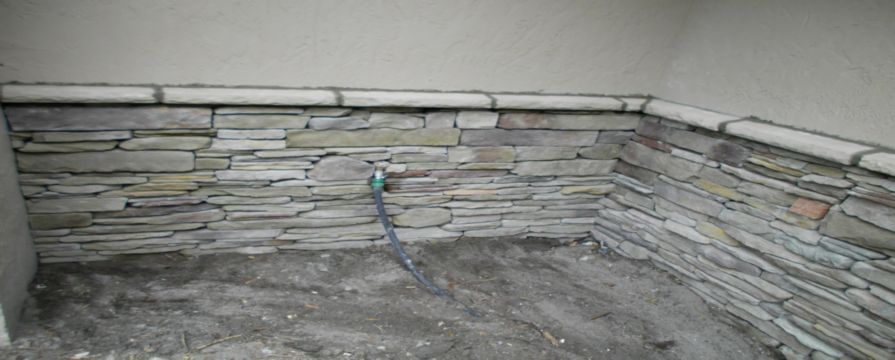 In the realm of architectural design, river stones emerge as nature's timeless gift, offering a unique blend of beauty, versatility, and sustainability. Originating from riverbeds and polished by the gentle flow of water over centuries, these stones carry an inherent sense of tranquility and natural elegance. As we explore the use of river stones in architectural design, we uncover the diverse applications, aesthetic appeal, and environmental benefits they bring to the built environment.
Characteristics of River Stones:
River stones are typically smooth, rounded, and well-worn by the natural forces of water. Their surfaces often exhibit a rich interplay of colors, ranging from earthy browns and greys to warm reds and blues. Available in various sizes, river stones add a tactile and organic element to architectural projects, inviting a connection with nature.
Applications in Architectural Design:
Exterior Landscaping: River stones are commonly used to create aesthetically pleasing and low-maintenance landscapes. Whether lining garden pathways, surrounding water features, or accenting outdoor spaces, these stones add a touch of natural charm to exterior designs.
Interior Design: In interior spaces, river stones find applications in accent walls, fireplace surrounds, and as flooring materials. Their smooth textures and varied colors contribute to a calming and organic ambiance, creating unique focal points within residential and commercial settings.
Water Features: The inherent connection between river stones and water makes them an ideal choice for water features, such as fountains, ponds, and indoor water walls. The combination of flowing water and smooth stones enhances the sensory experience, creating a harmonious and tranquil atmosphere.
Erosion Control: Beyond aesthetics, river stones are often employed for practical purposes, such as erosion control along riverbanks and shorelines. Their natural resistance to weathering and shifting makes them a sustainable choice for stabilizing soil and preventing erosion.
Environmental Benefits:
Sustainability: Harvested from riverbeds, river stones are a naturally occurring and renewable resource. Their extraction has minimal environmental impact, making them an environmentally friendly choice for construction and landscaping projects.
Heat Retention: River stones have the ability to absorb and retain heat, contributing to energy efficiency in certain architectural applications. This quality makes them suitable for designs where thermal mass is a consideration.
Low Maintenance: Due to their smooth surfaces, river stones are easy to clean and maintain. Their resistance to weathering ensures long-lasting beauty with minimal upkeep.
Conclusion:
Incorporating river stones into architectural design not only adds a touch of natural elegance but also brings forth the serenity and sustainability associated with these time-worn treasures. Whether enhancing outdoor landscapes, creating soothing interior spaces, or serving practical purposes in erosion control, river stones continue to captivate architects, designers, and enthusiasts alike as a symbol of nature's enduring beauty in the built environment.
In the realm of architectural design, river stones emerge as nature's timeless gift, offering a unique blend of beauty, versatility, and sustainability. Originating from riverbeds and polished by the gentle flow of water over centuries, these stones carry an inherent sense of tranquility and natural elegance. As we explore the use of river stones in architectural design, we uncover the diverse applications, aesthetic appeal, and environmental benefits they bring to the built environment.
Characteristics of River Stones:
River stones are typically smooth, rounded, and well-worn by the natural forces of water. Their surfaces often exhibit a rich interplay of colors, ranging from earthy browns and greys to warm reds and blues. Available in various sizes, river stones add a tactile and organic element to architectural projects, inviting a connection with nature.
Applications in Architectural Design:
Exterior Landscaping: River stones are commonly used to create aesthetically pleasing and low-maintenance landscapes. Whether lining garden pathways, surrounding water features, or accenting outdoor spaces, these stones add a touch of natural charm to exterior designs.
Interior Design: In interior spaces, river stones find applications in accent walls, fireplace surrounds, and as flooring materials. Their smooth textures and varied colors contribute to a calming and organic ambiance, creating unique focal points within residential and commercial settings.
Water Features: The inherent connection between river stones and water makes them an ideal choice for water features, such as fountains, ponds, and indoor water walls. The combination of flowing water and smooth stones enhances the sensory experience, creating a harmonious and tranquil atmosphere.
Erosion Control: Beyond aesthetics, river stones are often employed for practical purposes, such as erosion control along riverbanks and shorelines. Their natural resistance to weathering and shifting makes them a sustainable choice for stabilizing soil and preventing erosion.
Environmental Benefits:
Sustainability: Harvested from riverbeds, river stones are a naturally occurring and renewable resource. Their extraction has minimal environmental impact, making them an environmentally friendly choice for construction and landscaping projects.
Heat Retention: River stones have the ability to absorb and retain heat, contributing to energy efficiency in certain architectural applications. This quality makes them suitable for designs where thermal mass is a consideration.
Low Maintenance: Due to their smooth surfaces, river stones are easy to clean and maintain. Their resistance to weathering ensures long-lasting beauty with minimal upkeep.
Conclusion:
Incorporating river stones into architectural design not only adds a touch of natural elegance but also brings forth the serenity and sustainability associated with these time-worn treasures. Whether enhancing outdoor landscapes, creating soothing interior spaces, or serving practical purposes in erosion control, river stones continue to captivate architects, designers, and enthusiasts alike as a symbol of nature's enduring beauty in the built environment.
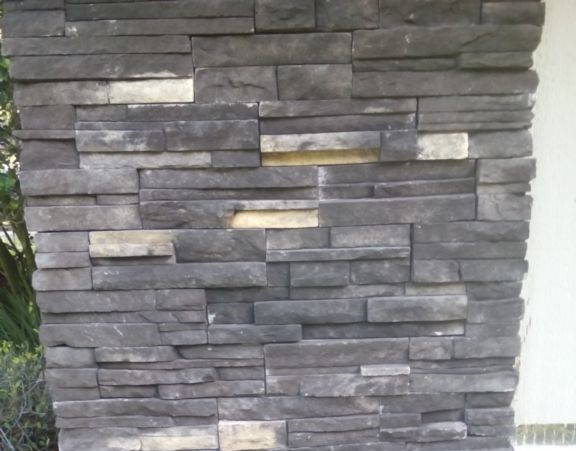 Limestone, a sedimentary rock born from the depths of ancient seas, has been a stalwart presence in architectural design for centuries. Its enduring popularity is a testament to its timeless beauty, versatility, and remarkable durability. In this exploration, we delve into the characteristics, applications, and the lasting impact of limestone in shaping architectural masterpieces across diverse cultures and epochs.
Characteristics of Limestone:
Natural Elegance: Limestone exhibits a natural elegance with a soft, muted color palette ranging from creams and beiges to grays and browns. Its subdued tones lend themselves well to both classic and contemporary design aesthetics.
Durability: Renowned for its durability, limestone stands the test of time, resisting wear and weathering. This longevity has made it a preferred choice for structures that endure for generations.
Texture: Limestone can have a variety of textures, from smooth to rough, depending on its formation and treatment. This diversity allows architects and designers to achieve a range of visual effects, adding depth and character to surfaces.
Applications in Architectural Design:
Facade Cladding: Limestone is a popular choice for exterior cladding, adorning facades with a sophisticated and timeless appeal. Its ability to withstand the elements while maintaining its aesthetic allure has made it a staple in the construction of iconic buildings worldwide.
Flooring: Limestone's durability and versatility make it an excellent choice for flooring in both residential and commercial spaces. Its natural beauty adds warmth to interiors, creating a welcoming atmosphere.
Interior Accents: From fireplace surrounds to columns and staircases, limestone is frequently employed to create striking interior accents. Its versatility allows for intricate carvings or simple, clean lines, depending on the desired aesthetic.
Landscaping: In outdoor spaces, limestone is utilized for pathways, patios, and garden borders. Its natural, earthy tones integrate seamlessly with the environment, offering a harmonious connection between architecture and nature.
Cultural Significance:
Historical Heritage: Limestone has played a crucial role in the construction of some of the world's most iconic structures, including the Great Pyramid of Giza, the Parthenon, and many European cathedrals. Its use throughout history signifies a connection to enduring architectural traditions.
Symbolism: Beyond its physical attributes, limestone often carries cultural and symbolic significance. In various cultures, it has been associated with strength, purity, and timelessness, adding a layer of meaning to architectural creations.
Sustainability Considerations:
While limestone is a natural resource, responsible quarrying practices and a growing emphasis on sustainability in the industry aim to minimize environmental impact. Additionally, the longevity and durability of limestone structures contribute to their sustainability by reducing the need for frequent replacements.
Conclusion:
Limestone's ability to seamlessly blend classical elegance with contemporary design, coupled with its durability, ensures its continued prominence in architectural landscapes. From ancient marvels to modern masterpieces, limestone remains a testament to the enduring marriage of nature's beauty and human creativity in the built environment.
Limestone, a sedimentary rock born from the depths of ancient seas, has been a stalwart presence in architectural design for centuries. Its enduring popularity is a testament to its timeless beauty, versatility, and remarkable durability. In this exploration, we delve into the characteristics, applications, and the lasting impact of limestone in shaping architectural masterpieces across diverse cultures and epochs.
Characteristics of Limestone:
Natural Elegance: Limestone exhibits a natural elegance with a soft, muted color palette ranging from creams and beiges to grays and browns. Its subdued tones lend themselves well to both classic and contemporary design aesthetics.
Durability: Renowned for its durability, limestone stands the test of time, resisting wear and weathering. This longevity has made it a preferred choice for structures that endure for generations.
Texture: Limestone can have a variety of textures, from smooth to rough, depending on its formation and treatment. This diversity allows architects and designers to achieve a range of visual effects, adding depth and character to surfaces.
Applications in Architectural Design:
Facade Cladding: Limestone is a popular choice for exterior cladding, adorning facades with a sophisticated and timeless appeal. Its ability to withstand the elements while maintaining its aesthetic allure has made it a staple in the construction of iconic buildings worldwide.
Flooring: Limestone's durability and versatility make it an excellent choice for flooring in both residential and commercial spaces. Its natural beauty adds warmth to interiors, creating a welcoming atmosphere.
Interior Accents: From fireplace surrounds to columns and staircases, limestone is frequently employed to create striking interior accents. Its versatility allows for intricate carvings or simple, clean lines, depending on the desired aesthetic.
Landscaping: In outdoor spaces, limestone is utilized for pathways, patios, and garden borders. Its natural, earthy tones integrate seamlessly with the environment, offering a harmonious connection between architecture and nature.
Cultural Significance:
Historical Heritage: Limestone has played a crucial role in the construction of some of the world's most iconic structures, including the Great Pyramid of Giza, the Parthenon, and many European cathedrals. Its use throughout history signifies a connection to enduring architectural traditions.
Symbolism: Beyond its physical attributes, limestone often carries cultural and symbolic significance. In various cultures, it has been associated with strength, purity, and timelessness, adding a layer of meaning to architectural creations.
Sustainability Considerations:
While limestone is a natural resource, responsible quarrying practices and a growing emphasis on sustainability in the industry aim to minimize environmental impact. Additionally, the longevity and durability of limestone structures contribute to their sustainability by reducing the need for frequent replacements.
Conclusion:
Limestone's ability to seamlessly blend classical elegance with contemporary design, coupled with its durability, ensures its continued prominence in architectural landscapes. From ancient marvels to modern masterpieces, limestone remains a testament to the enduring marriage of nature's beauty and human creativity in the built environment.